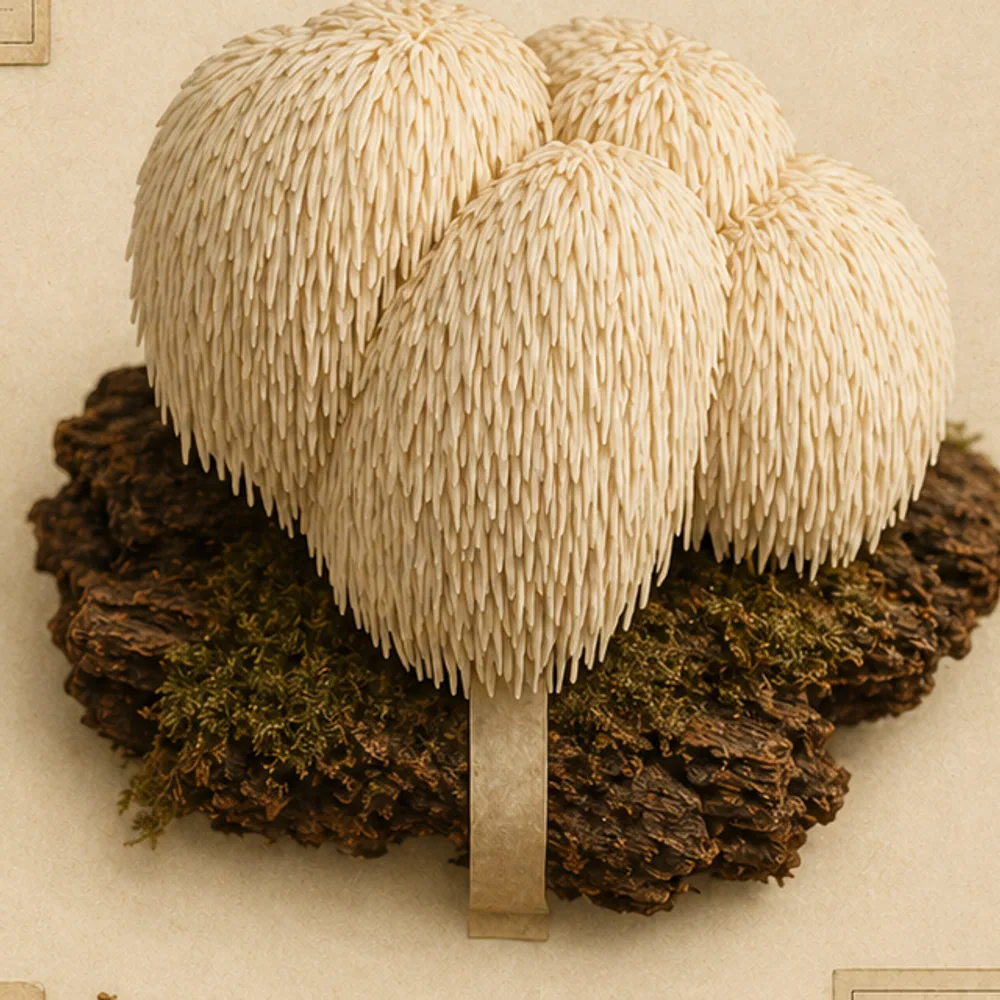
Lion’s Mane
Hericium erinaceus
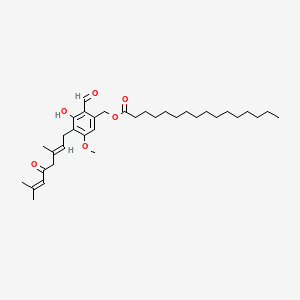
Studied for its unique compounds called hericenones and erinacines. Their biological activity remains an active area of research; more human studies are needed.
Explore researchFree U.S. shipping on orders over $75
USDA Organic Full Spectrum
USD $
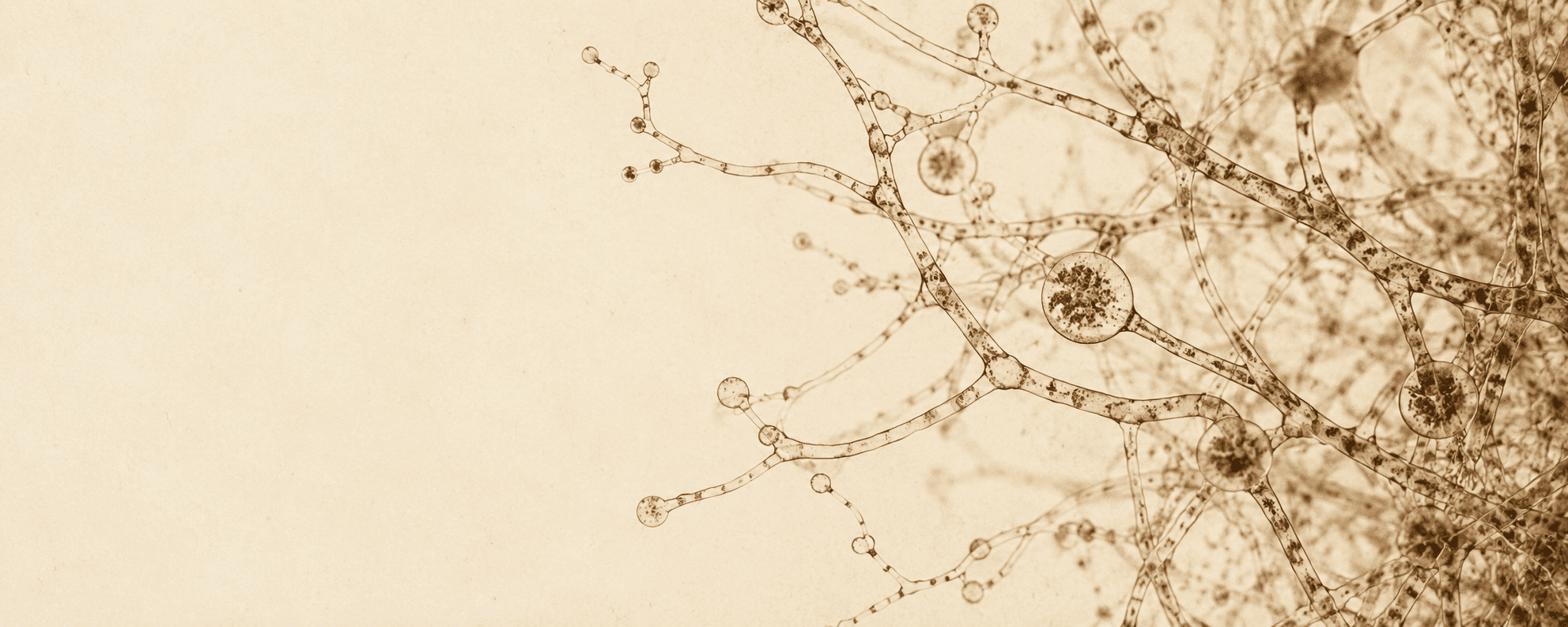
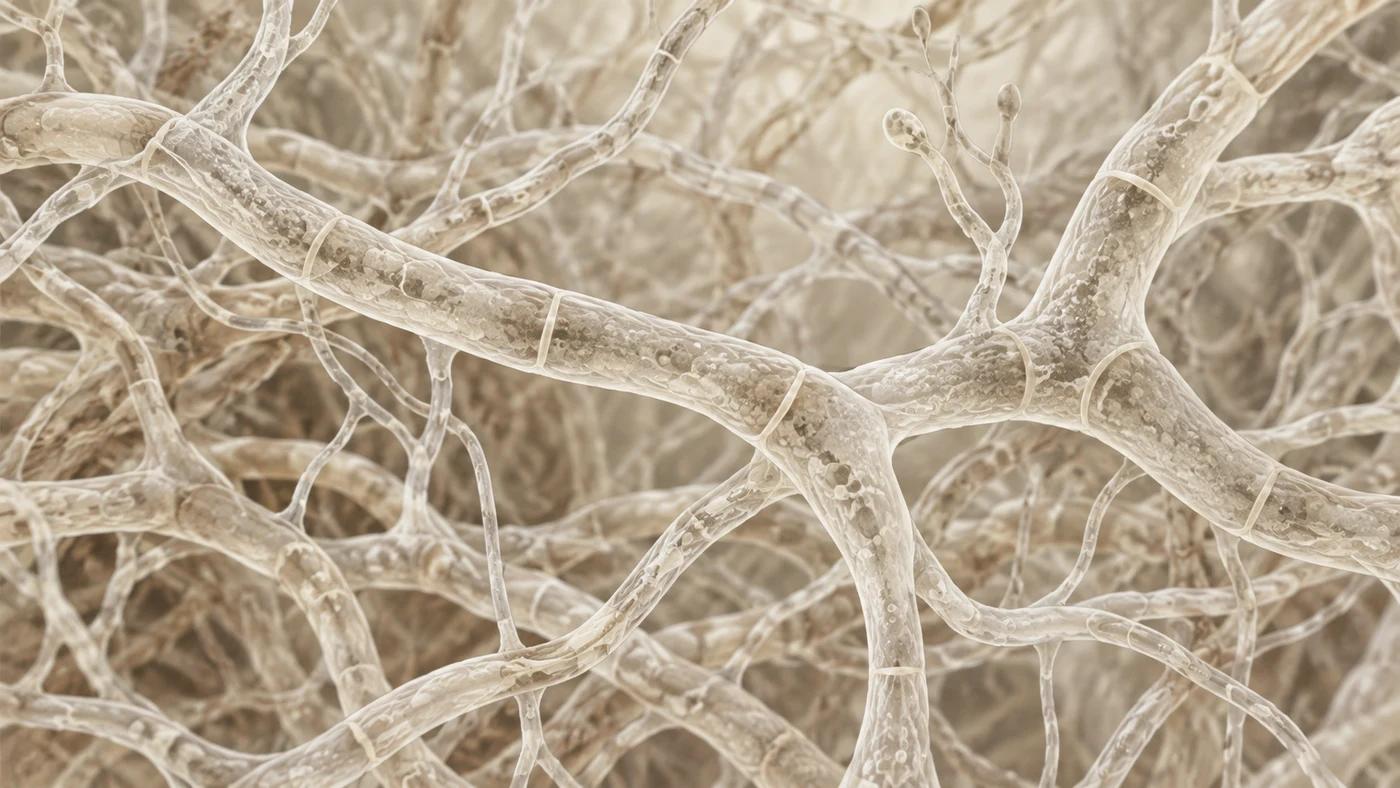
Fig. 1
Mycelial network
(illustration)
To understand medicinal mushrooms, we must look deeper — not just at what they are, but how they live, what they produce, and why their full-spectrum composition matters. Our research is rooted in respect for fungal biology and a commitment to accurate, evidence-based information.
01 — Nature’s hidden kingdom
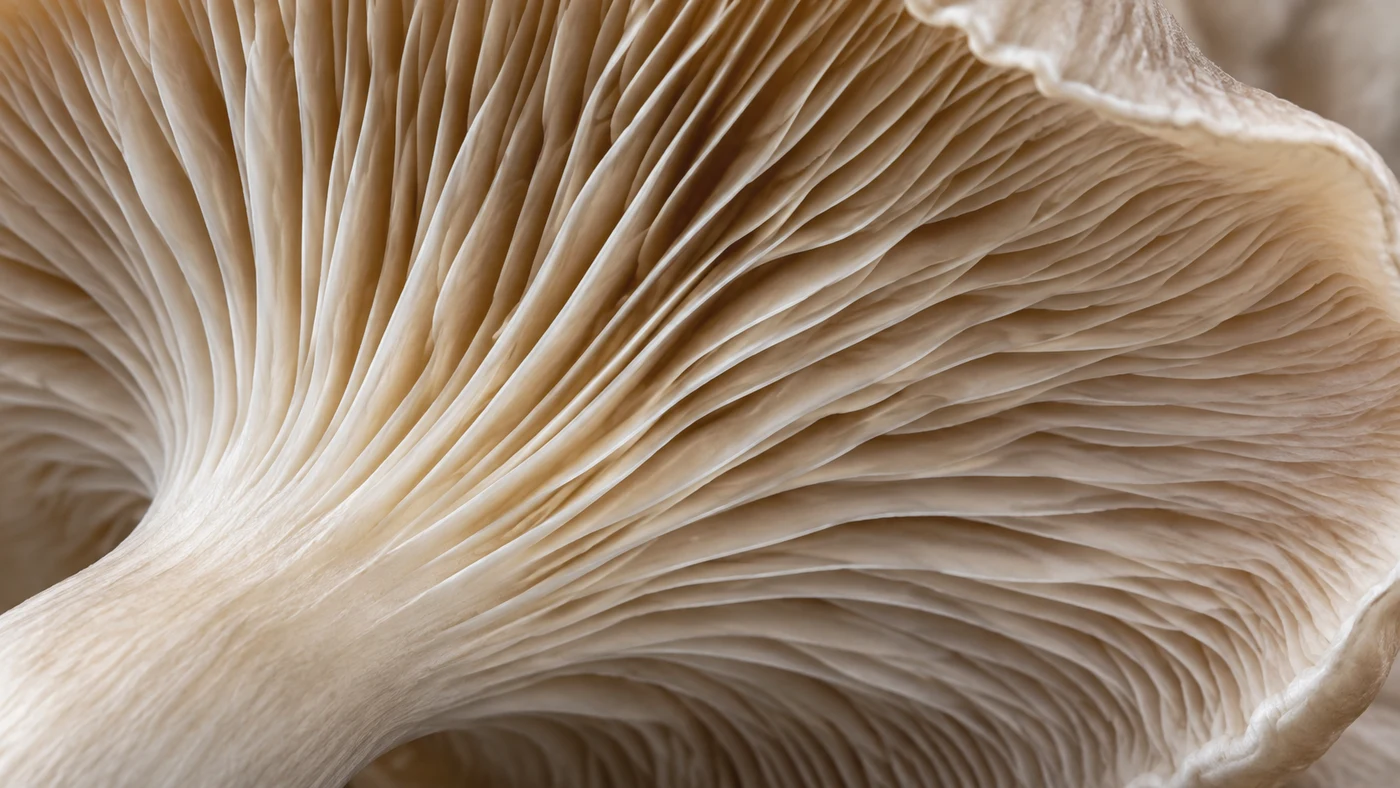
Fungi belong to their own kingdom — a remarkable and ancient branch of life. Unlike plants, fungi obtain nutrients by breaking down organic material. Filamentous threads called hyphae form the mycelium, the organism’s living network.
This distinctive biology enables fungi to produce a wide range of natural compounds studied across microbiology, neuroscience, immunology, nutrition, and biotechnology.
02 — Understanding full-spectrum
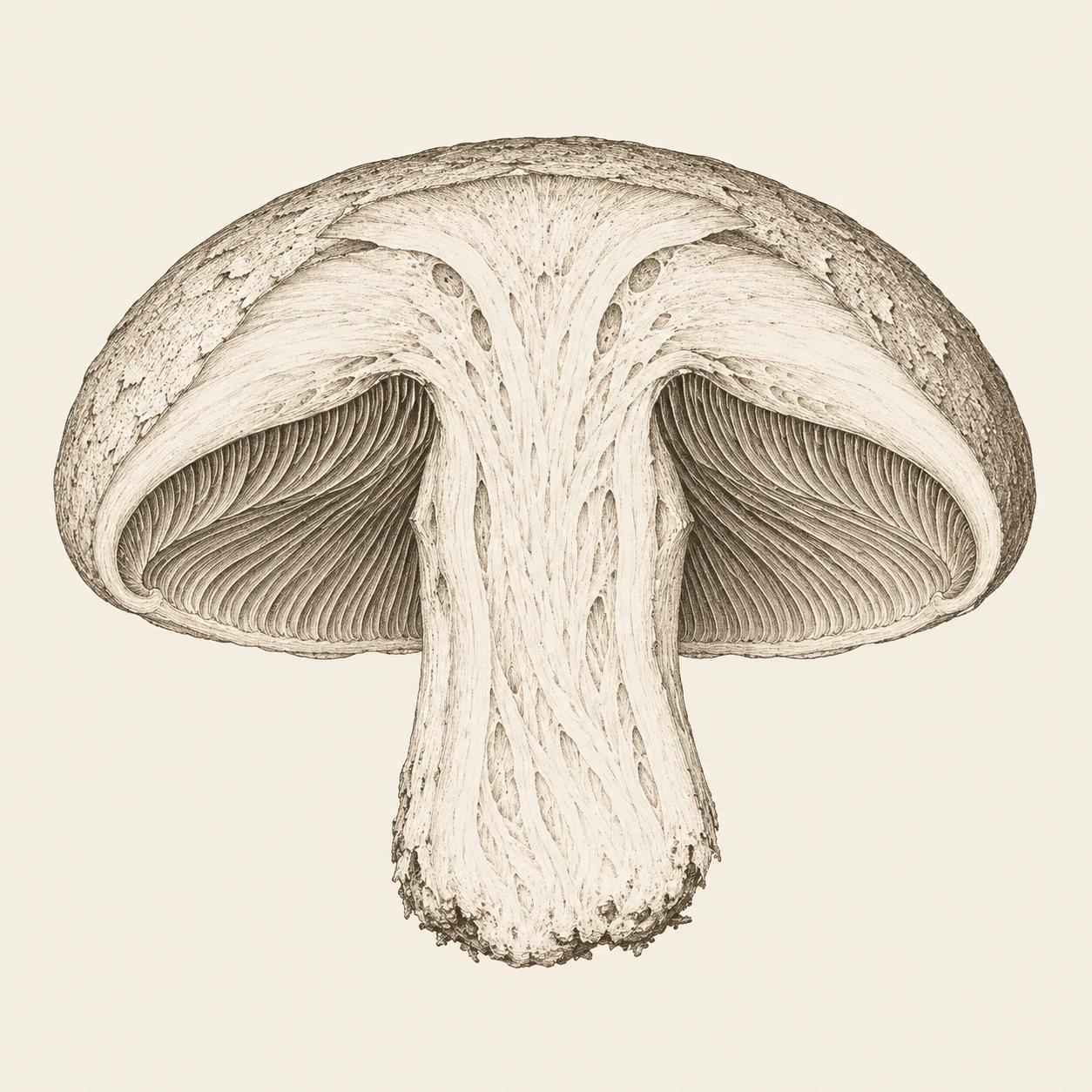
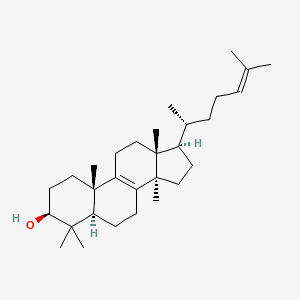
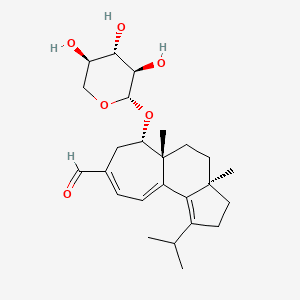
A mushroom is more than its fruiting body. Its full-spectrum composition includes a complex profile of polysaccharides, terpenoids, phenolic compounds, sterols, and other naturally occurring molecules.
Mycelium and fruiting bodies can produce different biochemical profiles. Full-spectrum ingredients aim to preserve a broader representation of the organism rather than focusing on a single fraction. Cultivation, extraction, and analytical testing all matter.
Hericium erinaceus
Studied for its unique compounds called hericenones and erinacines. Their biological activity remains an active area of research; more human studies are needed.
Explore research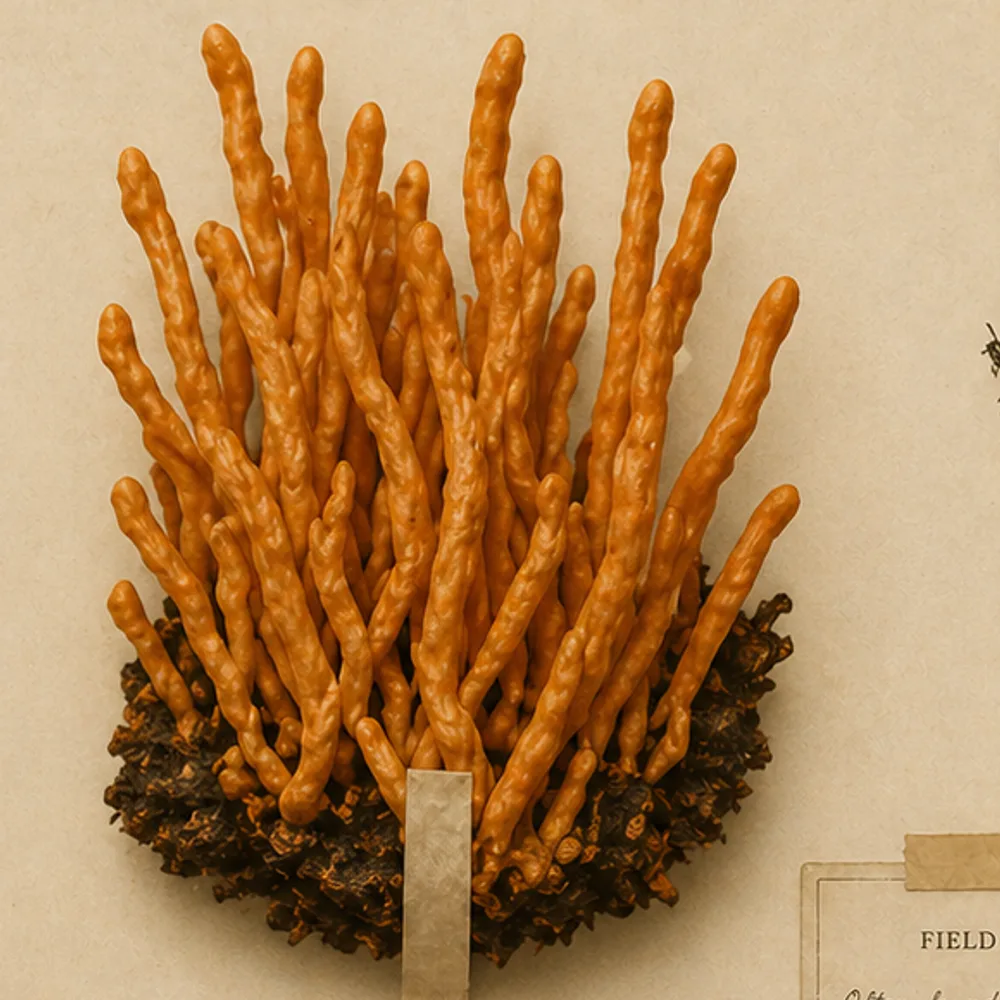
Cordyceps militaris
Recognized by its slender, orange fruiting bodies. Research examines its naturally occurring compounds and the relationship between cultivation and composition.
Explore research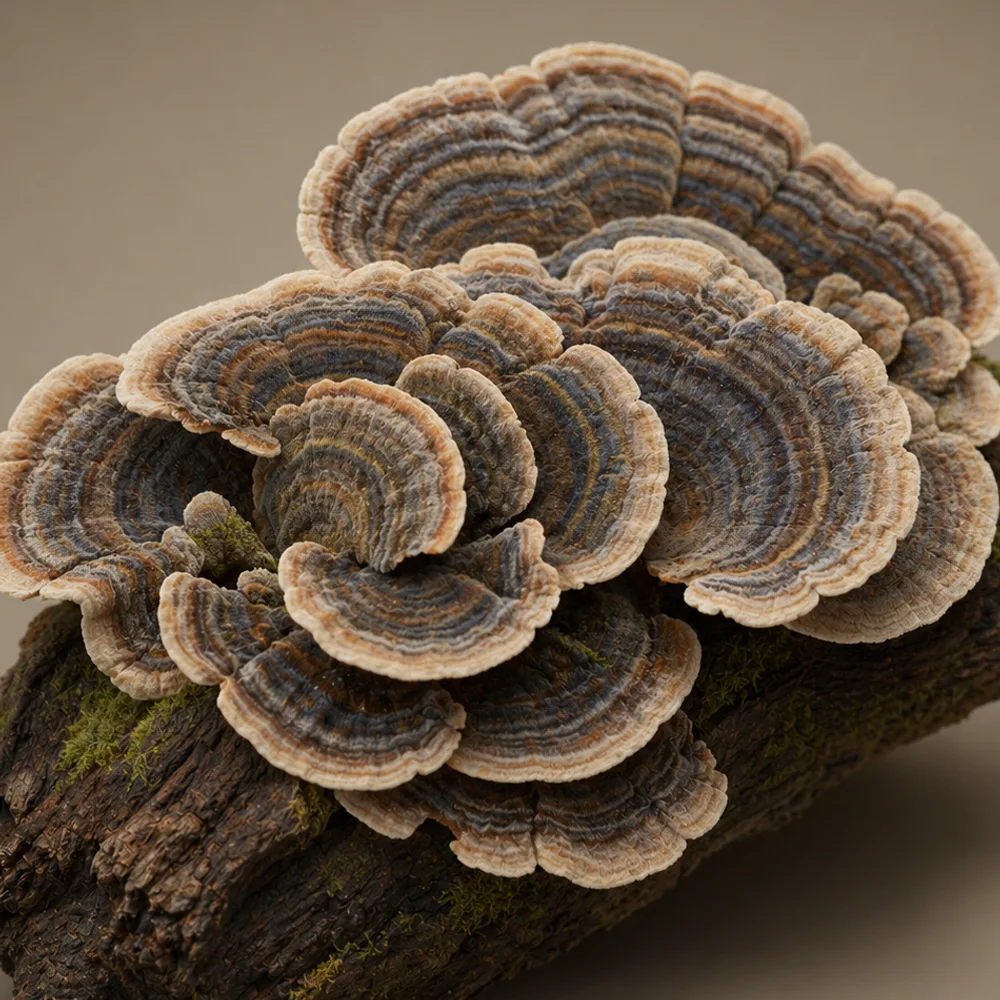
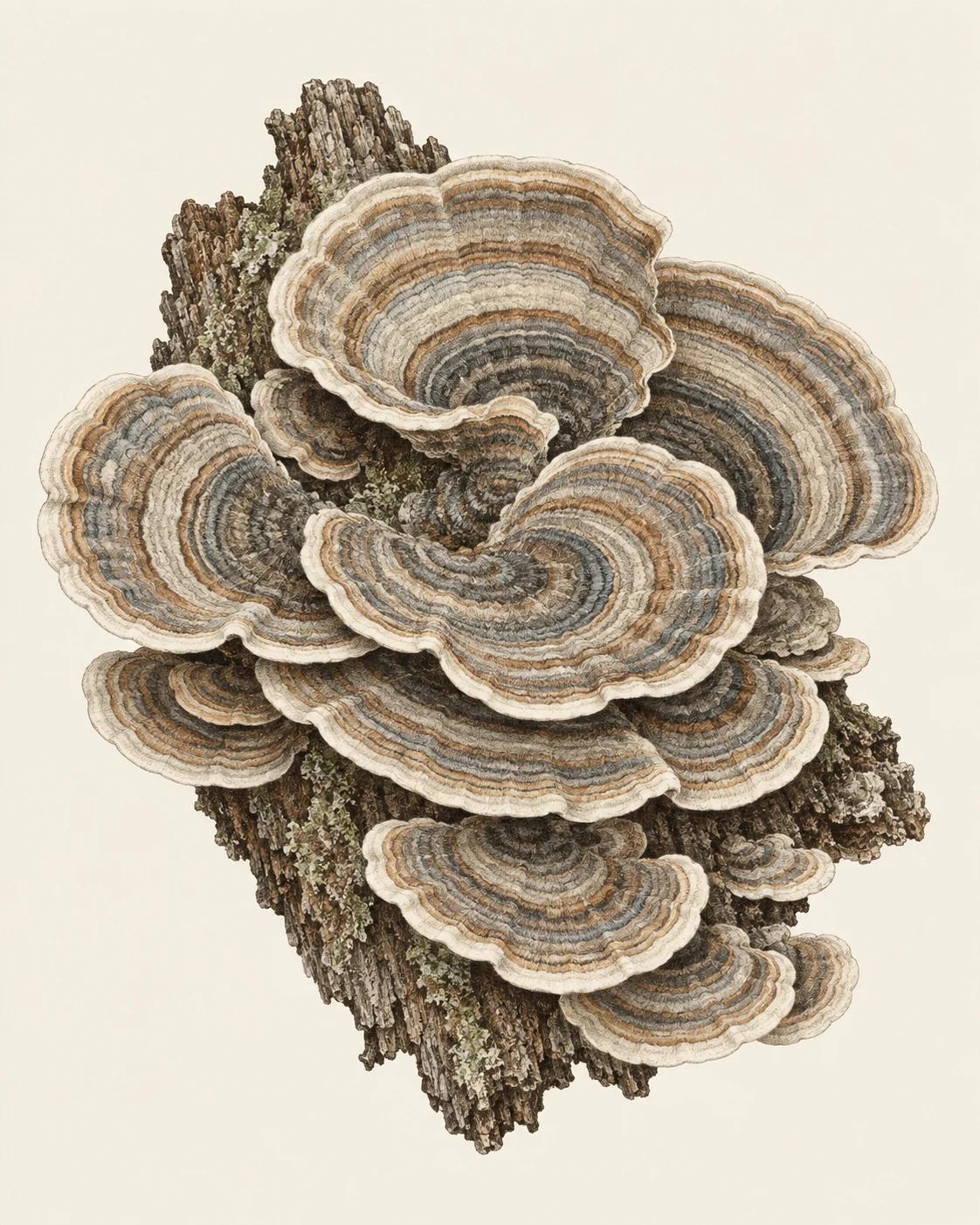
Trametes versicolor
Recognized by its layered, banded fruiting bodies. Like other fungi, it produces polysaccharides and other compounds investigated in fungal biology.
Explore research04 — Active compounds
Medicinal mushrooms produce a diverse range of bioactive compounds. Scientists are studying how these molecules interact with biological systems and how their structure shapes their properties.
View compound guide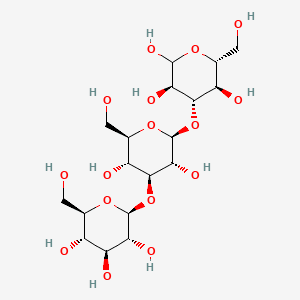
05 — The network beneath
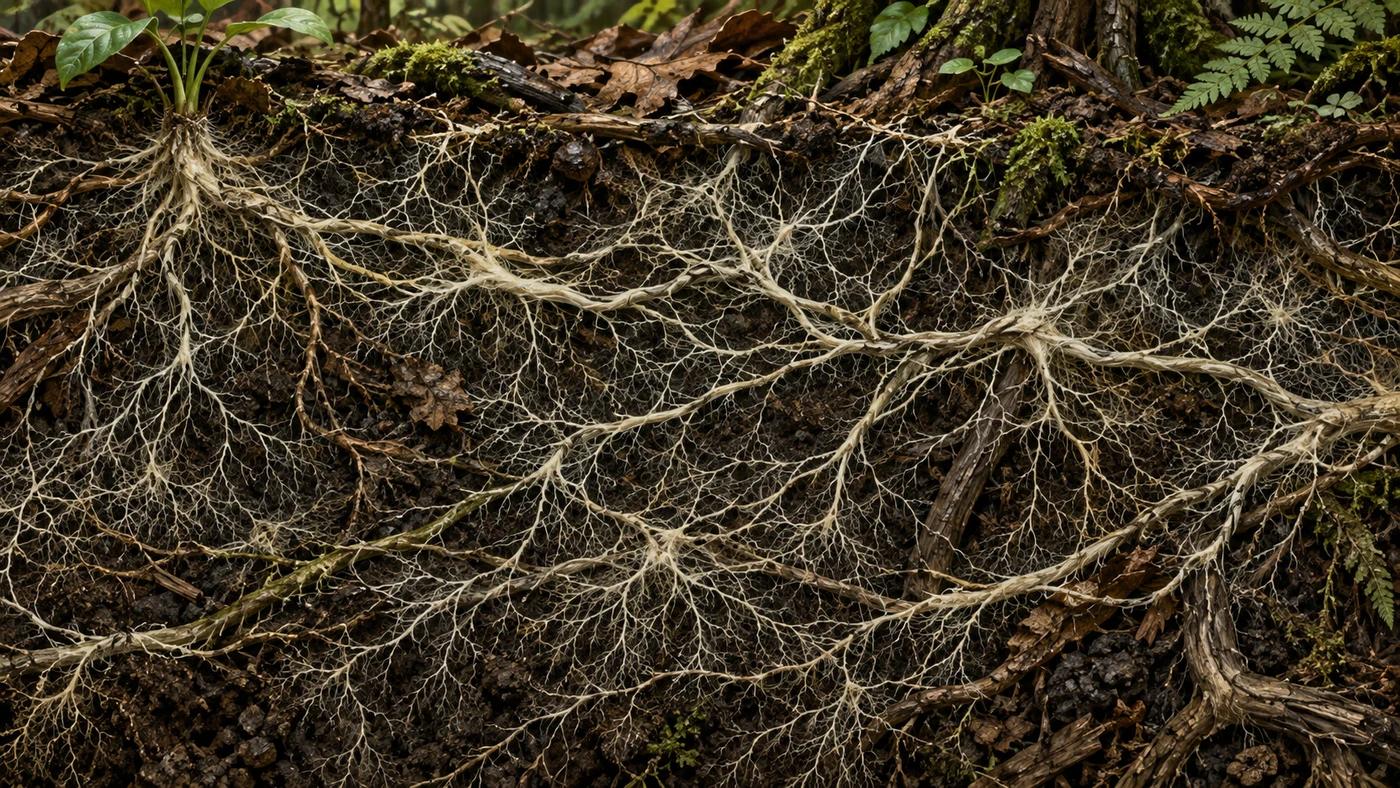
Mycelium is an interconnected network of microscopic threads. It absorbs water and nutrients while supporting growth throughout its environment. At Mycoverse, we draw inspiration from this natural complexity — and from a commitment to understanding the whole organism.
Our philosophy